 info@matrixlankatours.com
 (+94) 75 826 2326

Sigiriya
The Lion Rock of Sri Lanka.
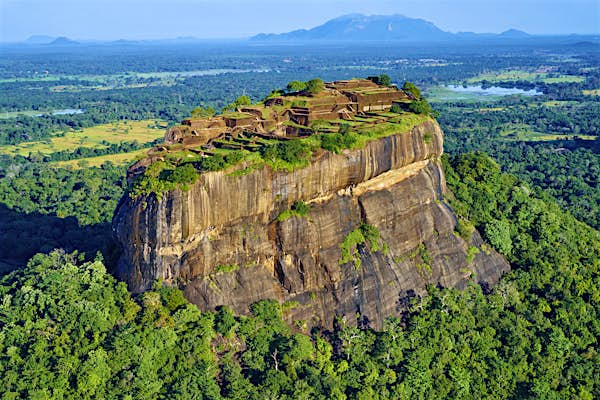
Sigiriya, also known as the Lion Rock, is one of Sri Lanka’s most famous landmarks. This massive rock fortress rises high above the central plains, packed with a rich history, stunning art, impressive engineering, and breathtaking natural beauty. For many visitors, exploring Sigiriya feels like stepping into an ancient world full of mystery and wonder. This blog explores the fascinating history, unique landscape, natural environment, incredible architecture, and its significance today.
The History of Sigiriya.
Sigiriya’s story goes back over 1,500 years. It became famous during the reign of King Kashyapa in the 5th century AD. King Kashyapa chose this massive rock as the site for his royal residence and built a stunning palace on top. He also created beautiful gardens, working water fountains, and strong protective walls around the base.
Legend says that Kashyapa built Sigiriya primarily as a fortress to protect himself from his brother, Moggallana, who sought revenge for their father’s death. Though Kashyapa ruled for only about 18 years, he left behind one of the greatest architectural wonders in Sri Lankan history. After his death, Sigiriya became a Buddhist monastery and remained in use until around the 14th century. Eventually, the site was abandoned and hidden by the jungle for centuries until British explorers rediscovered it in the 1800s.
The Landscape of Sigiriya.
Sigiriya is a massive rock formation that towers nearly 200 meters above the flat surrounding countryside. It formed from hardened magma of an ancient volcano. Over millions of years, softer rock around it wore away, leaving this tough giant standing alone.
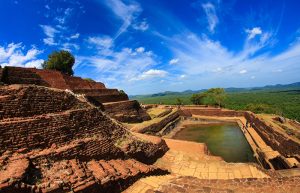
At the base of the rock, you’ll find green plains, patches of forest, small lakes, and villages. From the summit, visitors get breathtaking views that stretch for miles in every direction. The rock’s natural shape creates terraces and ledges that ancient builders used cleverly to build pathways, gardens, and pools.
Nature Around Sigiriya.
Sigiriya isn’t just historically important; it’s also home to a rich natural ecosystem. The area features tropical dry-zone forest, bushes, and grasslands. Many species live here, including birds, monkeys, reptiles, butterflies, and small mammals. The water gardens at the base attract aquatic birds and support various plant species.
These forests help keep the environment cool, protect the rock from erosion, and maintain the area’s natural beauty. This combination of nature and heritage makes Sigiriya a special place where culture and environment exist together.
Sigiriya’s Incredible Architecture.
The architecture at Sigiriya is truly impressive. The entire site shows brilliant planning and engineering. Here are some highlights.
▪️The Water Gardens
feature beautifully designed pools, fountains, and canals that continue to function during the rainy season. Ancient engineers used underground systems to control water pressure with amazing precision.
▪️The Mirror Wall
It was once polished so smooth that the king could see his reflection while walking along it. Over the centuries, visitors carved poems into this wall, some dating back more than a thousand years.
▪️The Sigiriya Frescoes
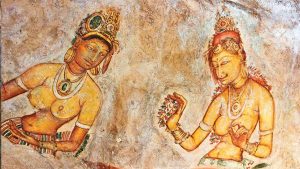
These stunning paintings are found halfway up the rock. These colourful images of women, known as the “Sigiriya Maidens,” showcase the artistic talent of ancient Sri Lanka.
▪️The Lion’s Gate
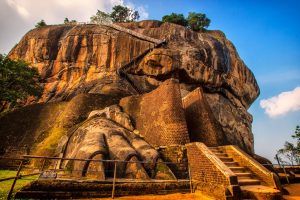
It is the famous entrance that once featured a massive lion structure. Today, only the enormous paws remain, but they still create a powerful impression of what once stood there.
▪️The Summit Palace
sits at the very top, where King Kashyapa built his royal residence. The remains of rooms, pools, and throne-like formations still hint at the glory of this ancient kingdom.
Sigiriya is a UNESCO World Heritage Site.
In 1982, UNESCO recognised Sigiriya as a World Heritage Site. It earned this title because of its historical significance, architectural brilliance, and exceptionally well-preserved artworks. Today, it’s protected as a monument of global cultural importance.
Sigiriya Today.
Sigiriya is now one of Sri Lanka’s top tourist destinations. Thousands of people from around the world visit every month. The climb to the top is a popular adventure, and the Sri Lankan Department of Archaeology manages the site to ensure it’s well preserved.
Researchers continue studying the area to learn more about ancient engineering, art, and daily life in the 5th century.
Why Tourists Love Sigiriya
Sigiriya attracts nature lovers, history enthusiasts, photographers, and curious travellers. It offers a memorable hiking experience, spectacular views, ancient art and architecture, a peaceful natural setting, and a deeper understanding of Sri Lankan heritage.
Tourism around Sigiriya also supports local communities through hotels, restaurants, transportation, and guide services.
Why We Must Protect Sigiriya.
Sigiriya isn’t just a tourist spot; it’s a treasure belonging to Sri Lanka and the world. Protecting it matters because it represents ancient Sri Lankan creativity and engineering, teaches us about our history and cultural identity, supports biodiversity and the local ecosystem, and helps our tourism industry and economy.
If we preserve Sigiriya carefully, future generations will also get to climb its ancient paths, admire its paintings, and learn from its remarkable stories
Written by MMS.