info@matrixlankatours.com
 (+94) 75 826 2326

Best places to visit in Sri Lanka
Sri Lanka’s compact size and cheap public transport system make it a real joy to travel around, with trains and buses ferrying wide-eyed visitors between hazy cities and breezy hill towns in just a matter of hours.
Arguably, the country is at its very best when you leave the beaten path behind, hopping on a local bus to find temples or tea shops in villages not marked on the maps. However, some places simply can’t be absent from any half-decent Sri Lanka itinerary. Here’s our list of the best places to visit in Sri Lanka.
Anuradhapura
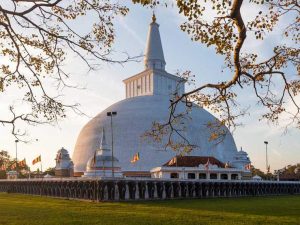
Sri Lanka has historic sites to spare, but Anuradhapura is something special. Dotted with towering, bowl-shaped dagobas (stupas), ruined monasteries and sacred tanks, this is where Sri Lanka’s spiritual history bubbles to the surface. In the centre of the compound is one of the world’s oldest trees, Sri Maha Bodhi, grown from a cutting taken from the tree that sheltered Buddha as he attained enlightenment, more than two thousand years ago(!) at Bodhgaya in India. A day spent cycling on rented bicycles between these colossal structures that loom large above green treetops won’t be quickly forgotten. For more dagoba-spotting, head 13km east to the sleepy village and temple complex of Mihintale.
Sigiriya
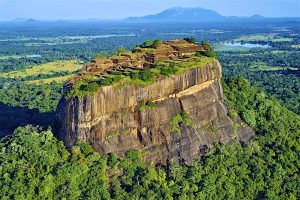
Rising dramatically from the country’s central plains, the enigmatic rocky outcrop of Sigiriya is perhaps Sri Lanka’s single most dramatic sight. Near-vertical walls soar to a flat-topped summit that contains the ruins of an ancient palace, thought to have been the epicentre of the short-lived kingdom of Kassapa. The early morning vistas across mist-wrapped forests are spellbinding, but make time for the fascinating on-site museum too. Once you’ve scaled the rock, try trekking up neighbouring hills for unbeatable views of Sigiriya, towering above its woodland surrounds.
Polonnaruwa
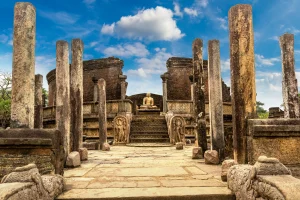
Sri Lanka’s royal history finds a magnificent home in Polonnaruwa, a medieval capital that is nothing short of breathtaking. Featuring an extraordinary collection of well-preserved palaces, audience halls, and intricately carved temples, this site offers a window into the grandeur of a bygone era. The highlight is the Gal Vihara, where four immense Buddha statues are carved directly into a single granite rock face, standing as timeless masterpieces of ancient artistry. Exploring the vast, park-like ruins on a bicycle is a delightful experience, with monkeys playfully swinging through the trees that shade the ancient brick structures. For a deeper look at the island’s majestic past, don’t miss the nearby Parakrama Samudra. This colossal man-made reservoir still stands as a serene testament to the ancient kings’ sophisticated irrigation genius.
Minneriya
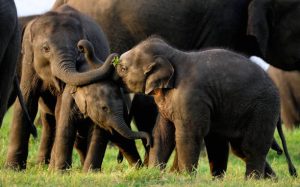
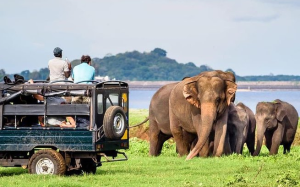
Wildlife enthusiasts will find a natural wonderland at Minneriya, and it is something truly special. Famous for its expansive, historic reservoir built by King Mahasen in the third century, this national park is where Sri Lanka’s untamed spirit comes alive. During the dry season, the receding waters reveal lush grasslands, drawing hundreds of elephants for the iconic ‘Gathering,’ one of the most spectacular wildlife events in the world. A day spent traversing the park in a jeep, watching herds congregate against a backdrop of shimmering water and golden sunsets, is an experience that stays with you forever. For even more nature-spotting, head just a short distance away to the neighbouring Kaudulla or Hurulu eco-parks, which frequently see the same elephant herds roaming freely.
Yala
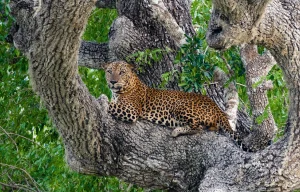
For wildlife enthusiasts, Sri Lanka boasts many national parks, but Yala is something special. Characterised by a rugged landscape of dry monsoon forests, sprawling grasslands, and tranquil lagoons, this is where the island’s wild heart beats strongest. It is globally renowned for having one of the highest densities of leopards, offering visitors the thrilling chance to spot these elusive big cats as they prowl through the scrub. A day spent navigating the bumpy trails on a safari jeep, surrounded by herds of majestic elephants, sloth bears, and countless exotic birds, is an adventure that won’t be quickly forgotten. For more wildlife-watching, head just a short drive away to explore the untamed coastline and serene sanctuary of Bundala.
Adam’s Peak
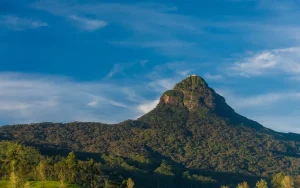
Sacred to Buddhists, Hindus, Muslims, and Christians alike, Adam’s Peak (Sri Pada) is all things to all people. For over a thousand years, pilgrims have trudged by candlelight up to the summit, to stand in the footprints of the Buddha (or Lord Shiva, or the biblical Adam, depending on which tradition you subscribe to), contemplate the cosmos, and admire the stunning beauty of the hilltop, where, according to locals, the island’s butterflies go to die. Today, tourists join the throngs of local pilgrims, similarly bewitched by the magic.
Galle
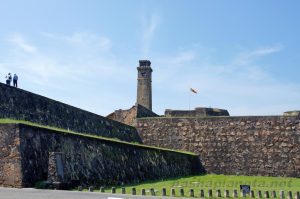
Man and nature joined forces in Galle to produce a living work of art. The Dutch built the streets and buildings, the Sri Lankans added the colour and culture, and then nature got busy covering it in a gentle layer of tropical vegetation, washed over by the salt sea air. The result is an enchanting, Unesco-listed city that keeps culture vultures entranced with landmark buildings, art galleries and museums, plus a side order of quirky, cosmopolitan places to stay, eat and shop. For tourists, it’s without doubt the number one urban attraction in the country.
Kandy
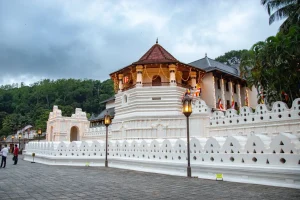
Sri Lanka’s ancient cities may have a longer history, but Kandy has the power of belief on its side. The island’s cultural capital is famous as the setting for the Temple of the Sacred Tooth Relic, whose central shrine is said to contain a tooth of the Buddha himself. For the Sinhalese, this is the holiest spot on the island. For tourists, Kandy offers more corporeal rewards: nostalgic wanders around the old quarter, striking views over the central lake, a clutch of interesting museums and, in the vicinity, some of the island’s best botanical gardens.
Bundala National Park
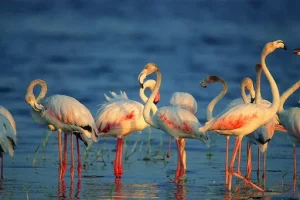
The crowds hightail it to nearby Yala National Park, leaving Bundala National Park in a state of blessed serenity. Head here from Tissamaharama or Hambantota and you’ll enter a fantasy landscape of islets and lagoons, whose shimmering waters ring with the sound of birdsong. Bundala has a beauty that other parks cannot match, and huge flocks of migratory birds from December to March make this one of the finest birding destinations in the country.
Jaffna
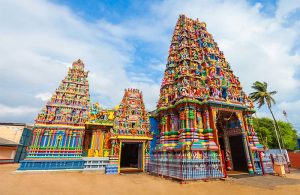
Once the centre of fierce fighting, Jaffna and the northern islands have been rehabilitated, offering a fascinating vision of Sri Lanka that could have been if, in the island’s history, Hinduism had gained the upper hand. Everything seems different up north, with staccato Tamil replacing the singsong sound of Sinhala, dagobas (stupas) swapped for colourful Hindu temples, and a menu that looks north towards India. Jaffna itself has never looked better, with new hotels and a revived sense of purpose; rent a bike and catch a rickety ferry to islands such as Neduntivu, far, far away from the tourist crowds.
Mirissa and the southern beaches
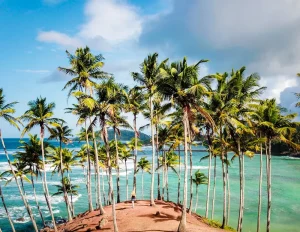
Mirissa. Even the name of what is arguably Sri Lanka’s best beach sounds somehow paradisiacal, and few travellers feel disappointed when they see it in person. A lush stretch of powdered white sand set against cerulean waters. Throw in a few thickets of palm trees leaning lazily overhead, and you’ve got a beach bum’s dream. In truth, a number of the beaches along the south coast, including Tangalla and Unawatuna, are ideal for a few days of serious sunbathing and splashing in the surf, with beach-bungalow accommodation and happy-hour cocktail deals to boot. Did someone say beach crawl?
Uda Walawe National Park
This huge chunk of savanna centred on the Uda Walawe reservoir is Sri Lanka’s riposte to East Africa – a vast sprawl of open grassland, waterholes, and forest groves, home to easily-spotted buffalo, sambar deer, crocodiles, tropical birds, and elephants. And we don’t just mean a few elephants; we mean hundreds of them. Bring a long lens and ask your driver to hang back so you can observe these gentle giants without intruding on their repose.
Arugam Bay
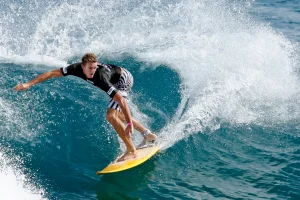
The perfect break at the heart of Sri Lanka’s surf scene, the long right-hander at the southern end of Arugam Bay is Sri Lanka’s favourite wave. From April to September, the ocean is crowded with bodies and boards, though stragglers catch periodic good swells as late as November. Befitting a surf hub, there are beach bars, surf schools, and board rental shops, just steps from the ocean. There are also cheap, high-quality beach huts to kick back in and some great restaurants to try, giving Arugam appeal to those who can’t tell a longboard from a Mini Mal.
Ella
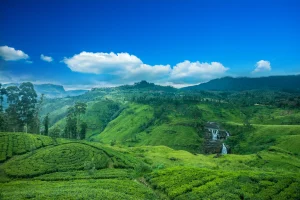
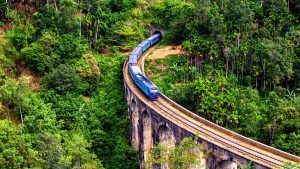
Rattling through emerald tea estates on the Colombo to Ella train, with the wind in your hair and the scent of the tropics on the breeze,
is the stuff of travel dreams, but what awaits you isn’t too shabby either. Ella is the place to ease off the travel accelerator with a few leisurely days resting in your choice of some of the country’s best guesthouses. Don’t be too laid-back, though: definitely make time for easygoing walks through tea plantations to temples, waterfalls and viewpoints. After building up a hiking-inspired appetite, I look forward to some of Sri Lanka’s best home-cooked food, paired with a reviving cuppa.
Colombo
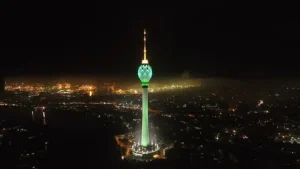
Far more than a springboard to other sites, continually overlooked Colombo has a lot to offer visitors if you can get to grips with its rather disjoined layout. The British were responsible for the railway tracks that cut the city off from much of its ocean shoreline. Still, they also dotted the city with landmark buildings, particularly in the colonial-era Fort district. Explore beyond the noisy arterial roads running north-south through the centre, and you’ll find centuries-old churches, colourful temples, manic markets and atmospheric drinking dens, including Traveller’s Bar, with placating views over the Indian Ocean that’ll make you think twice about rushing to head elsewhere.