 info@matrixlankatours.com
 (+94) 75 826 2326

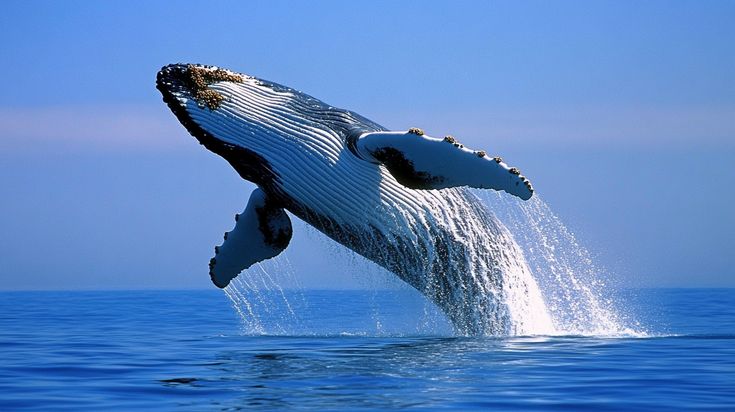
The Ultimate Guide to Whale and Dolphin Watching in Sri Lanka
An Ocean Adventure of a Lifetime.
Ayubowan! Welcome to the breathtaking marine paradise of Sri Lanka. When international travellers plan a tropical holiday to our beautiful island, they usually picture land adventures, visiting historic temples, hiking through emerald-green tea plantations, or riding safari jeeps to spot wild elephants and leopards. But Sri Lanka’s magic does not end at the shoreline. Our tropical island is surrounded by the warm, deep-blue waters of the Indian Ocean, making it one of the absolute best destinations in the world for whale and dolphin watching in Sri Lanka.
Imagine standing on the deck of a custom boat, looking out at the endless blue horizon, and suddenly seeing a massive column of water spray into the air. A moment later, the giant, majestic body of a Blue Whale, the largest creature to ever live on Earth, glides gracefully above the waves. Or picture looking down to find hundreds of playful Spinner Dolphins leaping, spinning, and racing alongside your boat in perfect harmony. It is an exhilarating sensory experience that leaves every nature lover completely amazed.
In this comprehensive, easy-to-read guide, we will take you on a deep-sea journey across the island’s top three marine hotspots: Mirissa, Trincomalee, and Kalpitiya. You will learn about the unique characteristics of each location, the best months to visit, the incredible marine species you can encounter, and practical travel tips to ensure a safe and highly responsible ocean safari.

Why Sri Lanka is a Global Marine Wildlife Hotspot
Sri Lanka is uniquely blessed by geography. The island sits very close to the continental shelf, a geographical feature where the shallow coastal waters drop suddenly into incredibly deep oceanic trenches. This deep-water drop-off happens just a few kilometres away from the shore in several parts of the country.
This unique underwater structure, combined with warm tropical temperatures and massive river systems emptying nutrients into the sea, creates a perfect marine ecosystem. It generates an abundance of krill, plankton, and small fish, which are the primary food sources for giant marine mammals. Because food is available year-round and the water conditions are ideal, many species of whales and dolphins either live permanently in our coastal waters or use them as a vital stopover during their long global migrations.
Furthermore, because the country experiences two distinct monsoon weather systems affecting opposite coasts at different times, travellers can experience world-class whale and dolphin watching somewhere on the island almost every single month of the year. When the south coast gets rough, the east coast turns calm and beautiful, offering year-round ocean safaris.
The Big Three Hotspots. Mirissa, Trincomalee, and Kalpitiya
To plan the perfect ocean holiday, it is crucial to understand that different coastal towns offer unique marine adventures. Here is a detailed breakdown of the top three hotspots you must include in your sancharaka travel itinerary.
1. Mirissa- The Capital of the Blue Whale Kingdom.
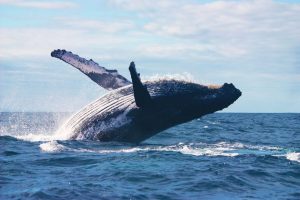
Located on the vibrant southern coast, Mirissa is the most famous and highly accessible destination for a Mirissa whale watching tour. The continental shelf drops off drastically just a short boat ride away from the scenic Mirissa harbour, meaning you do not have to travel far out into the rough open sea to find giant mammals.
What You Will See.
Mirissa is world-renowned for regular sightings of the mighty Blue Whale, Bryde’s whale, and Sperm Whales. You will also frequently encounter massive pods of playful Bottlenose and Spinner Dolphins.
The Experience.
The boats here depart early in the morning, around 6:30 AM, allowing you to witness the magnificent marine life against the backdrop of a beautiful tropical sunrise.
2. Trincomalee- Deep Ocean Trenches and East Coast Wonders.
Trincomalee, situated on the spectacular northeastern coast, offers an entirely different, serene, and majestic marine experience. Trincomalee houses a famous natural deep-water harbour, and the underwater canyons here bring giant deep-sea creatures incredibly close to the pristine beaches.
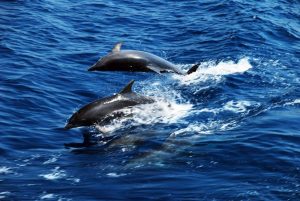
What You Will See. This is a prime location to spot Blue Whales and majestic Sperm Whales during their migration. It is also a fantastic place to see playful dolphins and even rare sightings of Killer Whales (Orcas) if you are incredibly lucky.
The Experience. Unlike the busy southern coast, a Trincomalee blue whale season safari feels highly exclusive and peaceful. The sea here during the summer months is smooth like a mirror, making it perfect for smooth photography and relaxing boat rides.
3. Kalpitiya- The Untamed Kingdom of a Thousand Dolphins.
If your travellers are obsessed with dolphins rather than giant whales, Kalpitiya is the absolute paradise they are looking for. Located on the windy northwestern coast, Kalpitiya features a long, beautiful peninsula flanked by the massive Puttalam Lagoon on one side and the deep Indian Ocean on the other.

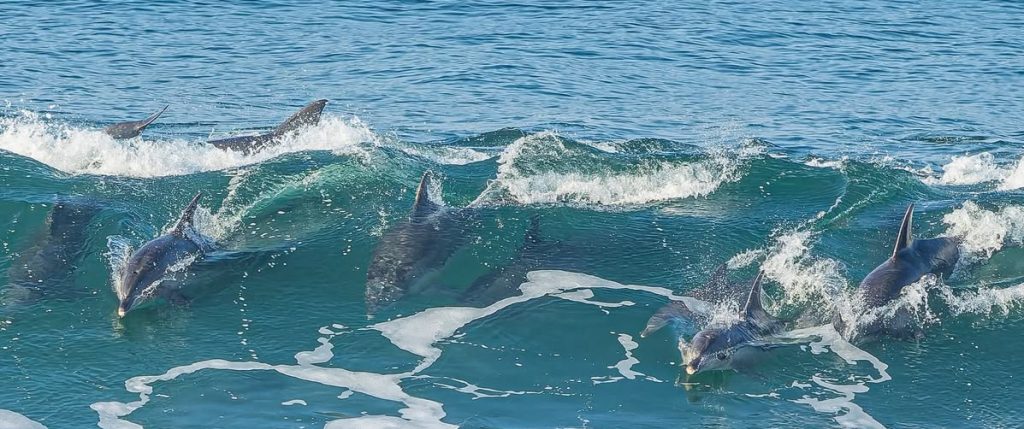
What You Will See. Kalpitiya is world-famous for its jaw-dropping numbers of Spinner Dolphins. When you take a Kalpitiya dolphin safari, you are not just looking for two or three dolphins; you will frequently encounter super-pods consisting of 500 to over 1,000 dolphins swimming together!
The Experience. The sheer sight of hundreds of dolphins leaping simultaneously into the air, performing acrobatic flips, and playing in the wake of your boat is an energetic spectacle that fills everyone with pure joy. Kalpitiya also offers seasonal sightings of Sperm Whales further out in the deep water.
Seasonal Marine Travel Guide
Choosing the Right Coast.
To help your international clients coordinate their holiday timing perfectly with the movements of the oceans, we have compiled an easy-to-read seasonal chart detailing what to expect across the main destinations.
| Destination | Best Travel Months | Main Marine Highlights | Ocean Conditions & Insight |
| Mirissa (South Coast) | November to April | Blue Whales, Sperm Whales, Spinner Dolphins | Peak season is from December to March. The sea is generally calm; morning departures are mandatory. |
| Trincomalee (East Coast) | May to October | Migrating Blue Whales, Sperm Whales, Orcas | Excellent summer alternative. Waters are incredibly calm and smooth, ideal for family travellers. |
| Kalpitiya (Northwest Coast) | November to April | Mega-pods of Spinner Dolphins, Sperm Whales | High action and acrobatic displays. Avoid the monsoon months when the area becomes a kite-surfing hub. |
How to Enjoy a Responsible and Safe Ocean Safari
Crucial Tips.
Embarking on a deep-sea marine tour is an incredible privilege, but it is important to remember that we are entering a protected natural habitat. To maximise your clients’ comfort while keeping our precious marine mammals safe from stress, always share these standard practical tips.
1. Choose Certified, Eco-Friendly Boat Operators.
Never book cheap, unlicensed fishing boats at the beach for an ocean safari. Unlicensed boats often lack proper life jackets, emergency communication equipment, and GPS tracking. Furthermore, untrained captains often drive too close to the whales, crowding them, cutting off their swimming paths, and stressing them with loud engine noises. Always ensure your tours use licensed operators registered with the Department of Wildlife Conservation (DWC) who follow strict international whale-watching safety distances.
2. Prepare for Motion Sickness Early.
The deep Indian Ocean can experience rolling waves, even on clear, sunny days. To ensure travellers enjoy the journey rather than feeling miserable, advise them to take a standard motion sickness (sea sickness) pill about 30 minutes before the boat departs the harbour. Eating a light, non-greasy breakfast before boarding and staying hydrated during the tour helps keep nausea away.
3. Dress for the Sun and Sea Spray.
A typical whale watching tour lasts anywhere from 3 to 5 hours out on the open water. The tropical sun reflects heavily off the surface of the ocean, making it easy to get sunburned. Travellers should wear comfortable, fast-drying clothes, bring a wide-brimmed hat, wear polarised sunglasses to reduce glare, and apply high-SPF waterproof sunscreen liberally. Don’t forget to protect cameras and smartphones inside dry bags from accidental saltwater spray.
- Credited to the Photographers.
Written by MMS