 info@matrixlankatours.com
 (+94) 75 826 2326

The Ultimate Guide to Yala Safari Tour in Sri Lanka
Witness the Land of the Leopards.
Ayubowan! Welcome to the untamed, sun-drenched coastal wilderness of southern Sri Lanka. When travellers think about booking a tropical holiday to our beautiful island, they usually picture ancient temples, pristine surf beaches, and scenic mountain views. But Sri Lanka is also world-famous for offering some of the most exciting wildlife safaris outside of Africa. If you are looking for a true, adrenaline-pumping wildlife adventure, booking a Yala safari tour in Sri Lanka is an absolute must-do experience for your travel itinerary.
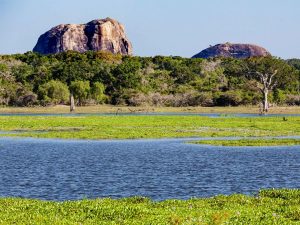
Spanning over 970 square kilometres, Yala National Park is Sri Lanka’s most popular and legendary wildlife sanctuary. It is a spectacular region where dense thorny scrub jungles, massive granite rock monoliths, and freshwater lagoons meet the dramatic waves of the Indian Ocean. What makes Yala globally famous is not just its beautiful landscape, but its incredible biodiversity. Most importantly, it is celebrated as one of the absolute best places on Earth to spot the elusive, majestic Sri Lankan Leopard in the wild.
In this comprehensive, easy-to-read guide, we will provide all the essential information you need to plan a successful, high-quality wildlife safari. You will learn about the different zones of the park, the best months and hours to visit, the incredible animals you can encounter, and practical tips to ensure a safe and highly rewarding journey.
The Story of Yala
A Historic Sanctuary by the Ocean.
Yala National Park has a deep history that stretches back long before it became a commercial tourist hotspot. In ancient Sri Lanka, the area surrounding Yala was part of the thriving kingdom of Ruhuna. Thousands of years ago, advanced civilisations lived here, building complex water tanks and agricultural networks. Today, when you explore the wilderness, you can still see historic rock monasteries, ancient ruins, and sacred places like Sithulpawwa, proving that humans and nature lived together in harmony.
During the British colonial period, the area was initially used as a private hunting ground for foreign elite officers. However, recognising the urgent need to protect the island’s unique wildlife, the government declared it a wildlife sanctuary in 1900, and it officially became one of Sri Lanka’s first national parks in 1938.
The King of Yala
Tracking the Sri Lankan Leopard.
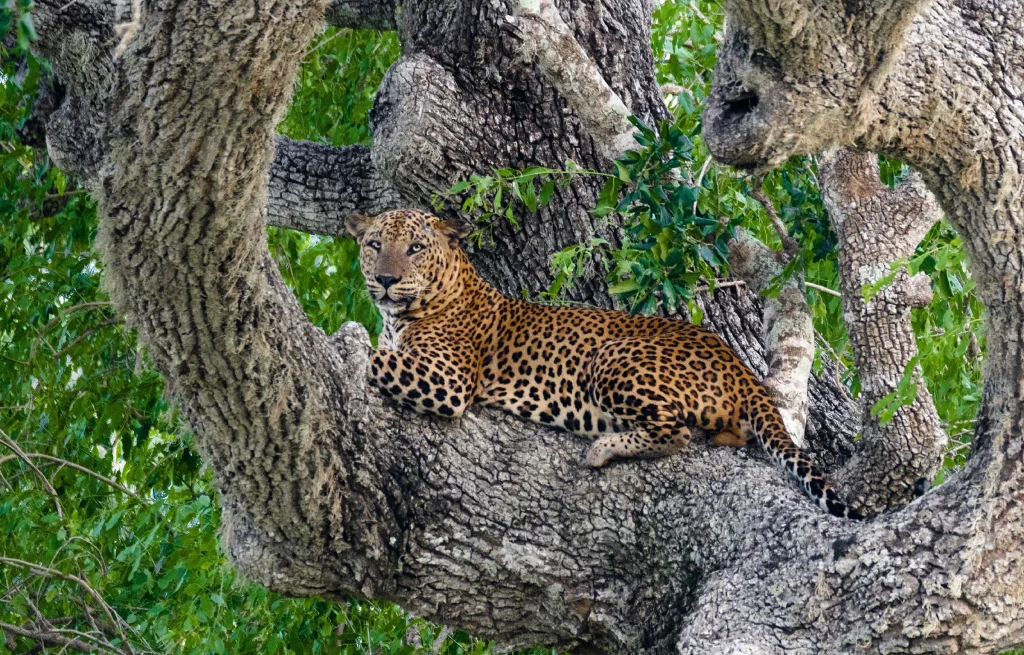
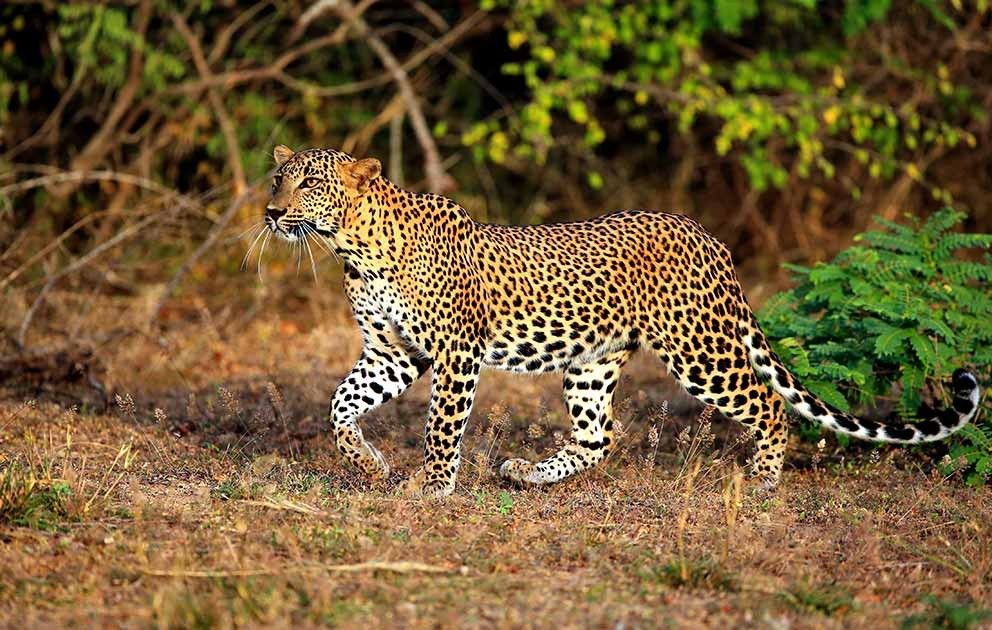
While you can see spectacular animals throughout the park, the undisputed star of any Yala National Park safari is the leopard (Panthera pardus kotiya). The Sri Lankan leopard is a distinct subspecies unique to our island, and it is the apex predator here, meaning it sits at the very top of the jungle food chain.
Because there are no larger predatory cats like lions or tigers in Sri Lanka to compete with or threaten them, the leopards of Yala have developed unique behaviours compared to their cousins in Africa or India.
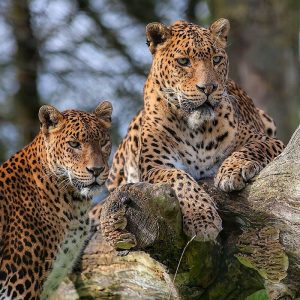
Bold and Confident – They are much less afraid of humans and safari vehicles. You will often see them walking confidently down the dusty jeep tracks, resting lazily on top of massive sun-warmed rocks, or sleeping comfortably on tree branches in broad daylight.
Highest Density- International wildlife research shows that Yala National Park (specifically Block 1) has one of the highest leopard population densities in the entire world. This means your chances of spotting a wild leopard here during a single safari are incredibly high.
Watching a sleek, golden-spotted leopard move gracefully through the golden afternoon light of the dry forest is a mesmerising experience that stays with you forever.
Beyond Leopards
Discovering Yala’s Big Three and More.
1. The Gentle Giants. Sri Lankan Elephants.

Yala is home to a healthy population of wild Asian elephants. You will frequently encounter small family herds with protective mothers and playful young calves grazing near the water holes or crossing the main tracks. You might also spot large, solitary bull elephants with impressive tusks walking majestically through the thorny scrub jungles.
2. The Elusive Sri Lankan Sloth Bear.
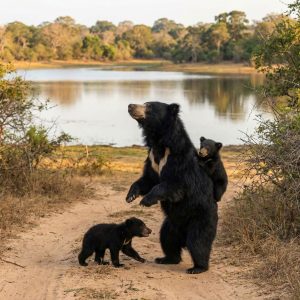
The Sloth Bear is a highly unique, shaggy-furred animal that is notoriously difficult to find. They spend most of their time deep inside the forest looking for termite mounds or eating wild fruits. The absolute best time to spot them is during the months of May and June, when the sweet Palu fruits ripen and fall from the jungle canopy, drawing the bears out into the open.
3. A Rich Kingdom of Birds and Reptiles.
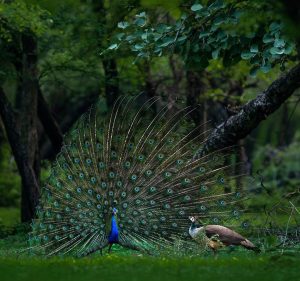
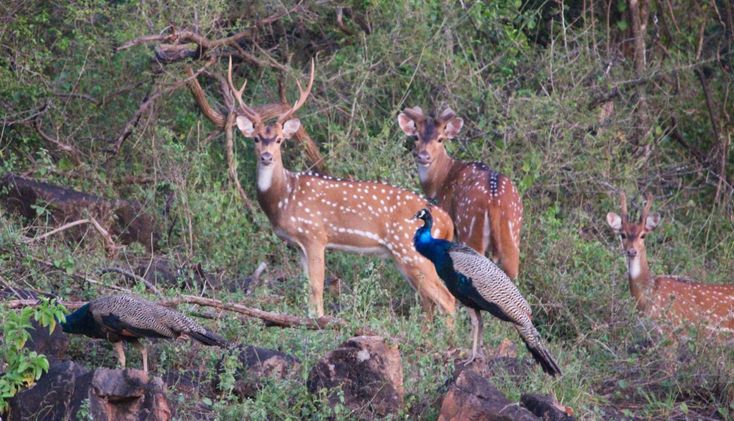
For bird lovers, Yala is an absolute wonderland hosting over 215 distinct bird species, including rare migrants. You can easily photograph massive flocks of Painted Storks, Spoonbills, Crested Serpent Eagles, and vibrant green Bee-eaters. Down by the lagoons and rivers, you will also see massive Mugger Crocodiles sunbathing quietly, large Water Monitors, and herds of Spotted Deer and Wild Boars drinking water carefully.
Seasonal Travel Guide
Planning Your Safari Timing.
To help you choose the perfect time of year for your wildlife expedition, we have created an easy-to-read seasonal chart detailing park conditions and wildlife sightings.
| Time of Year | Season & Climate | Leopard & Wildlife Activity | Important Safari Insight |
| February to June | Dry Season (Dry plains) | Excellent / Highest visibility | Water holes shrink, forcing leopards, bears, and elephants to gather around main reservoirs. |
| July to September | Peak Drought (Very dry) | Very High (Note Park Closure) | Excellent for spotting animals, but note that the main zones (Block 1) often close for 4-6 weeks for conservation. |
| October to January | Monsoon Rainy Season | Moderate (Lush green landscapes) | The jungle turns beautiful and green. Elephants are happy, but tracking leopards is harder as water is everywhere. |
How to Enjoy a Safe and Responsible Safari
- Tips for Travellers.
Going on a wildlife safari is an absolute privilege, but we must remember that we are entering a protected natural habitat belonging to wild animals. To maximise your experience while keeping yourself and the animals safe, always remember these practical rules.
1. Book Early Morning or Late Afternoon Tours.
Wild animals avoid the intense midday tropical heat. Leopards and bears are most active during the cooler hours of the day. Therefore, the absolute best times for a safari tour are the early morning slot (6:00 AM to 10:00 AM) or the late afternoon slot (3:00 PM to 6:00 PM). If you are a hardcore wildlife photographer, you can also book a full-day safari package.
2. Dress in Subdued, Natural Colours.
Avoid wearing bright, neon-colored clothes like hot pink, bright yellow, or fluorescent green inside the park. Bright colours can easily startle wild animals or make them feel uncomfortable, causing them to run away into the thick brush. Instead, wear comfortable clothes in neutral shades like khaki, olive green, brown, or grey to blend in with the environment.
3. Always Trust and Respect Your Jeep Driver.
Your safari driver understands the jungle tracks and the movements of the animals perfectly. Never shout at the driver to speed up, and never attempt to throw food or step out of the jeep for a photo. Staying inside the safety of your high-clearance 4×4 jeep ensures your safety and keeps the park clean, safe, and peaceful for future visitors.
- Credited to the Photographers.
Written by MMS