 info@matrixlankatours.com
 (+94) 75 826 2326

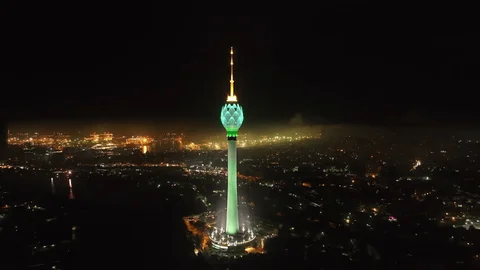
The Ultimate Guide to Colombo Tour Sri Lanka
Discover the Vibrant Heart of the Island.
Ayubowan! Welcome to Colombo, the bustling, colourful, and energetic commercial capital of Sri Lanka. When travellers plan a tropical holiday to our beautiful island, they often rush directly to the south coast beaches or head straight to the central misty mountains. But skipping the capital city means missing out on a wonderful cultural melting pot. If you want to experience how ancient colonial history blends seamlessly with modern luxury, booking a dedicated Colombo tour in Sri Lanka is an absolute must-do on your travel itinerary.
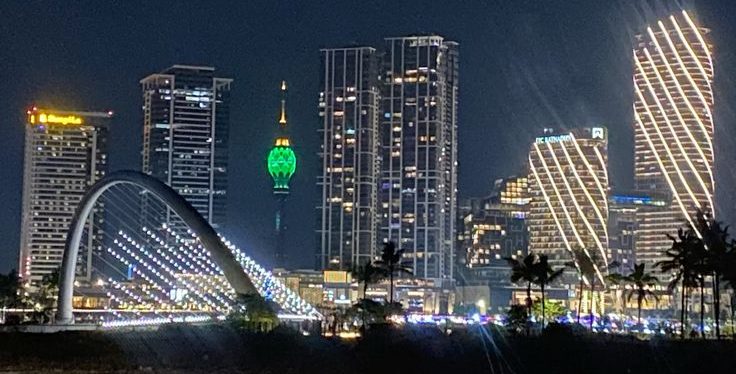
Colombo is a vibrant ocean-front city filled with unexpected charms. Within a single hour of driving around, you can pass by historic century-old Portuguese, Dutch, and British colonial buildings, vibrant and chaotic open-air markets, serene Buddhist temples, grand mosques, and ultra-modern skyscrapers. It is a city where traditional tuk-tuks zip past luxury sports cars, and where peaceful lakes sit right next to busy commercial streets.
In this comprehensive, easy-to-read guide, we will share everything you need to know to plan the perfect city exploration tour. You will learn about the town’s history, the absolute best landmarks to visit, where to taste iconic local street food, and practical travel tips for navigating the streets safely.
The Rich History
From an Ancient Trading Port to a Modern Metropolis.
Colombo was not built overnight; its strategic position on the western coast of the island made it an important trading hub for thousands of years. Long before Western colonial powers arrived, ancient Moorish, Arab, Chinese, and Roman traders stopped their wooden ships at the natural harbour of Colombo to trade for premium wild cinnamon, precious gemstones, and exotic elephants.
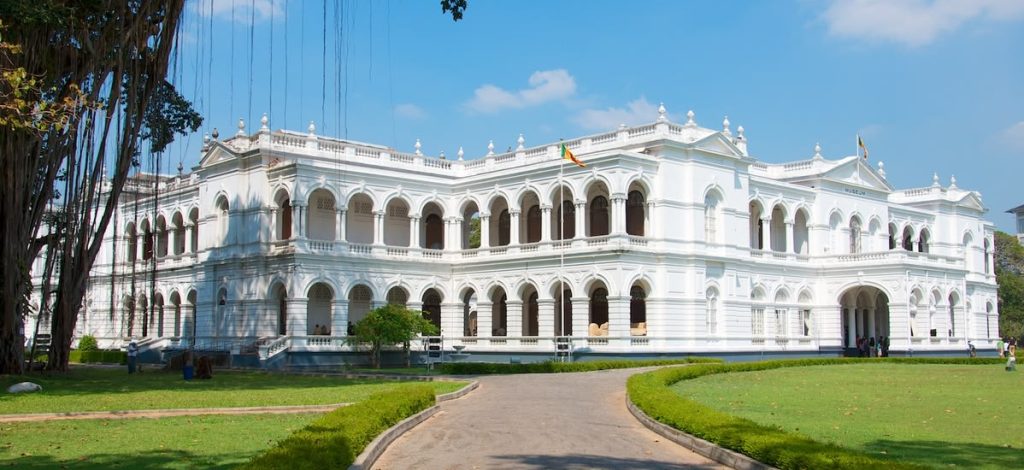
In the early 16th century, the Portuguese arrived and established a firm trading post, building a massive fort to protect their commercial interests. Later, in the mid-17th century, the Dutch captured the city, expanding the canal networks and leaving behind beautiful colonial architecture. Finally, the British took control in 1796, making Colombo the official capital of their crown colony of Ceylon.
When Sri Lanka gained independence, the city continued to grow rapidly as the economic and cultural centre of the nation. Today, as you take a Colombo city sightseeing tour, you can easily see the visual layers of this rich history. The old fort area still retains its colonial identity, while the surrounding areas showcase the vibrant, multicultural identity of modern Sri Lanka.
Top Landmarks You Must Visit on Your Colombo Tour
1. The Gangaramaya Temple and Beira Lake.
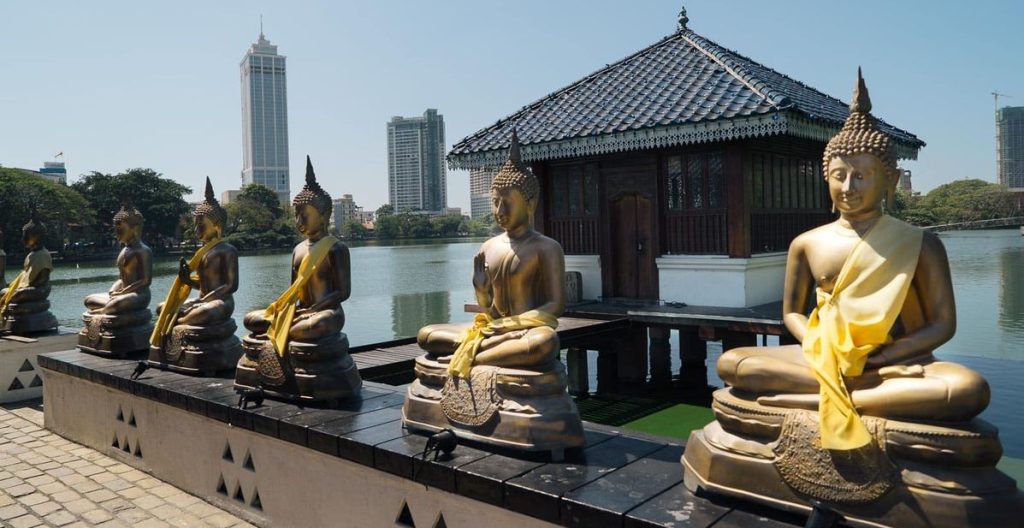
Located in the heart of the city, Gangaramaya Temple Colombo is much more than a traditional place of worship. It is a massive cultural complex that blends Sri Lankan, Thai, Chinese, and Indian architectural styles beautifully. Inside the main halls, you will see thousands of colourful Buddha statues, sacred relics, and an unbelievable museum filled with valuable antique gifts from global leaders. Just a short walk away is the beautiful Seema Malaka shrine, a peaceful wooden pavilion built directly on top of the waters of Beira Lake, designed by the world-famous local architect Geoffrey Bawa.
2. Pettah Market: A Sensory Explosion.
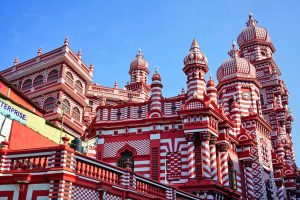
If you want to experience the true, authentic heartbeat of local life, you must visit the open-air streets of Pettah. Pettah is a sprawling bazaar where each street is dedicated to selling specific goods from colourful tropical fruits and local wholesale spices to glittering jewellery and electronics. The streets are chaotic, filled with loud vendors shouting, busy labourers carrying heavy bags, and thousands of shoppers. Don’t forget to visit the iconic Red Mosque (Jami Ul-Alfar Mosque), a breathtaking architectural masterpiece painted in striking red and white brick patterns.
3. Galle Face Green and the Dutch Hospital.
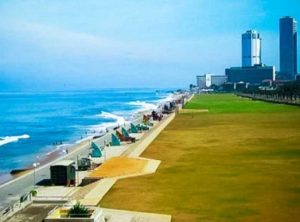
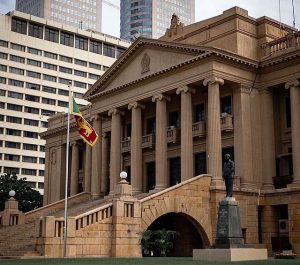
Galle Face Green is a magnificent, long ocean-front promenade stretching along the Indian Ocean coast. It is the absolute best place in the city to view a dramatic tropical sunset. Every evening, hundreds of local families, kite flyers, and tourists gather here to enjoy the cool sea breeze. Right next to it is the Colombo Fort area, where you can find the Old Dutch Hospital. Built in the 1600s, this historic colonial building has been beautifully restored into a high-end luxury shopping and dining courtyard where you can taste world-famous lagoon crabs.
The Ultimate Street Food Adventure
Tasting the Local Flavours.
No urban holiday is truly complete without diving deep into the local culinary scene. Colombo is a paradise for food lovers, offering a wide variety of spicy, sweet, and savoury street delicacies that reflect the island’s diverse cultural heritage.
As you enjoy the evening atmosphere during your Colombo street food guide excursion, make sure to taste these iconic items.
- Kottu Roti – This is the ultimate Sri Lankan comfort food. Made from thin flatbread chopped into small strips on a hot metal griddle, it is mixed with fresh vegetables, eggs, aromatic spices, and your choice of tender meat. The rhythmic, loud metal-clanging sound of kottu being prepared is a classic sound of Colombo nights.
- Egg Hoppers (Aappa) – These are thin, bowl-shaped pancakes made from a fermented batter of rice flour and rich coconut milk. The edges are crispy like wafers, while the centre is soft and thick. An egg is cracked into the middle while cooking, and it is served with spicy onion sambal (Lunu Miris).
- Isso Vade – Found abundantly at street food stalls along Galle Face Green, these are crispy, deep-fried lentil patties topped with whole fresh prawns and spicy green chillies. They are best enjoyed hot while listening to the crashing ocean waves.
Colombo District Guide
Planning Your City Itinerary.
To help your travellers understand the layout of the city and maximise their time, we have compiled an easy-to-read chart detailing the main neighbourhoods and their primary attractions.
| City District | Vibe & Atmosphere | Top Things to See & Do | Best Time to Visit |
| Colombo 01 (Fort) | Historic & Colonial | Old Dutch Hospital, Presidential Secretariat, Luxury Restaurants. | Morning (Great for colonial photography) |
| Colombo 11 (Pettah) | Chaotic & Vibrant | Red Mosque, Open-air Spice Markets, Traditional Shopping Streets. | Daytime (Avoid Sundays as shops close) |
| Colombo 02 (Slave Island) | Spiritual & Modern | Gangaramaya Temple, Beira Lake, Modern High-rise Malls. | Late Afternoon (Cooler temperatures) |
| Colombo 03 (Colpetty) | Ocean-front & Lively | Galle Face Green, High-end Hotels, Street Food Stalls. | Evening (Perfect for sunset views) |
How to Navigate Colombo Safely
Crucial Tips for Travellers.
Exploring a bustling Asian capital city can sometimes feel intimidating for first-time visitors. To ensure your clients stay comfortable, safe, and enjoy their metropolitan adventure thoroughly, advise them to practice these standard travel tips.
1. Use Metered Tuk-Tuks or Ride-Sharing Apps.
Tuk-tuks are the most fun and convenient way to get around the busy city traffic. However, tourists should never board a three-wheeler without confirming it has an operational digital meter. To avoid any stressful fare negotiations or tourist price inflation, it is highly recommended to use popular local ride-sharing smartphone apps like PickMe or Uber. These apps provide fixed, highly transparent pricing instantly.
2. Dress Properly for Temple Visits.
Colombo houses many active and highly sacred religious sites. When visiting spiritual places like the Gangaramaya Temple, travellers must dress respectfully according to local customs. Shoulders and knees must be completely covered with modest clothing. Shoes and hats must be removed before entering the temple courtyards. Wearing light or white clothing is always considered polite.
3. Stay Hydrated and Carry Cash.
Because Colombo is located in the coastal dry zone, the weather can get intensely hot and humid during the middle of the day. Travellers should always carry a bottle of fresh water and wear sunscreen. While large luxury hotels and fine-dining restaurants accept international credit cards, small street food stalls, tuk-tuk drivers, and local market vendors in Pettah accept cash payments only in Sri Lankan Rupees (LKR).
- Credited to the Photographers.
Written by MMS