 info@matrixlankatours.com
 (+94) 75 826 2326

Sri Lanka Ceylon Tea
A Journey Through the Misty Hills and Historic Plantations
Ayubowan! Welcome to the emerald heart of Sri Lanka. When you think of our beautiful tropical island, you probably picture golden sandy beaches, ancient historic temples, and majestic wild elephants. But as you travel deeper into the country, the tropical climate gives way to cool, misty mountains blanketed in endless carpets of bright green bushes. This is the world-famous home of Ceylon Tea.
For over a century, Sri Lanka has been producing some of the finest, most aromatic tea leaves consumed across the globe. For any international traveller planning an authentic holiday, discovering our lush green valleys through a dedicated Sri Lanka Ceylon tea travel guide is an absolute highlight of the trip. Standing atop a misty hill, watching traditional tea pluckers at work, and sipping a hot cup of fresh tea is an unforgettable tropical experience.
In this comprehensive, easy-to-read guide, we will take you on a sensory journey through our historic tea regions. You will learn about the fascinating history of Ceylon tea, the best plantation towns to visit, such as Nuwara Eliya and Ella, how the leaves are processed inside vintage factories, and essential tips to buy authentic souvenirs safely.
A Rich History
How Coffee Fields Turned Into Tea Valleys.
It might surprise you to learn that Sri Lanka was not always a tea-drinking nation. During the early 19th century, when the island was under British colonial rule, the primary commercial crop grown in the central highlands was actually coffee. However, in the late 1860s, a devastating leaf disease known as “coffee rust” swept across the island, wiping out almost every single coffee plantation within a few years.
In the middle of this massive economic crisis, a brave and visionary Scottish planter named James Taylor stepped forward. In 1867, he cleared a small plot of land at the Loolecondera Estate in Delthota and planted the very first commercial tea seeds imported from Assam, India. Taylor developed unique manual rolling methods, and his experimental leaves tasted absolutely incredible.
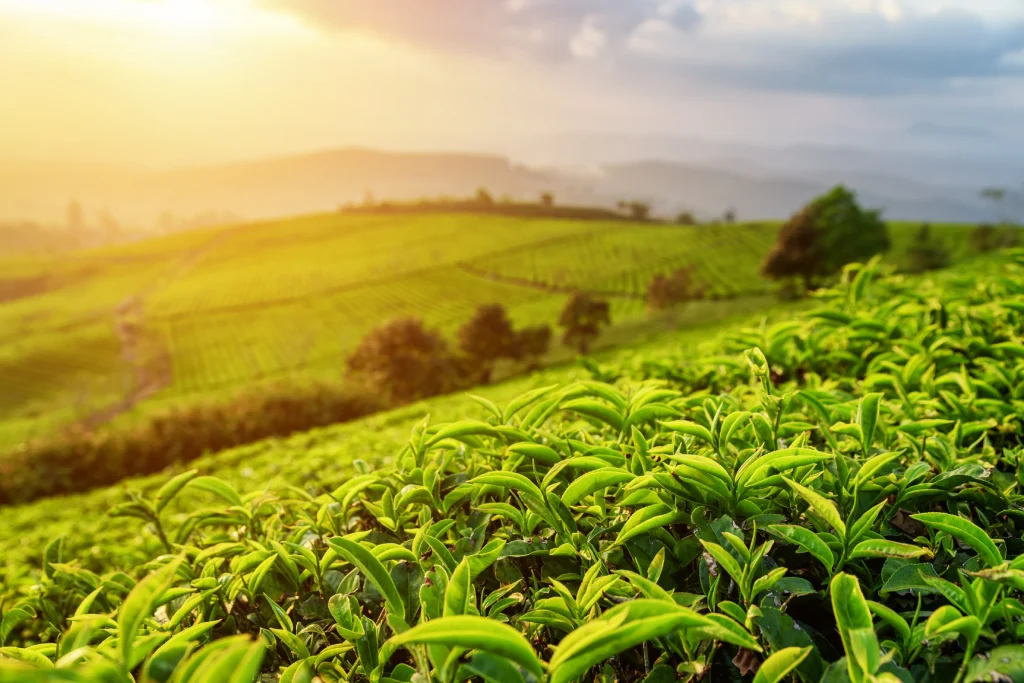
The unique climate of the hill country, combining perfect high altitudes, cool winds, regular rainfall, and rich soil, proved to be a magical combination for the tea plant. Soon, thousands of colonial planters rushed to clear land, transforming the wild forests into the iconic, manicured emerald green valleys we see today. The name “Ceylon” became a premium global brand, signifying unmatched quality and exquisite flavour.
The Main Tea Regions You Must Visit on Your Travels
Just like premium French wines, the flavour, aroma, and colour of Ceylon tea change dramatically depending on the specific altitude and region where the leaves are grown. Sri Lanka’s tea country is generally divided into three main elevations. High-grown, Medium-grown, and Low-grown.
During your tour around the island, here are the most scenic tea regions you should include in your travel itinerary.
1. Nuwara Eliya. The ‘Little England’ of High-Grown Tea
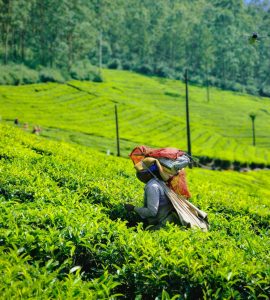
Perched at an elevation of over 1,800 meters above sea level, Nuwara Eliya is the highest tea-growing region on the island. Due to the chilly, crisp air, cold nights, and abundant rainfall, the tea bushes here grow much more slowly.
The resulting tea is often referred to as the “Champagne of Ceylon Tea.” It features a very pale, golden colour, a light body, and a highly delicate, floral aroma. While exploring Nuwara Eliya, you can walk through beautiful colonial-era estates and enjoy traditional high tea inside historic boutique hotels.
2. Ella and Bandarawela. Majestic Waterfalls and Uva Flavours.
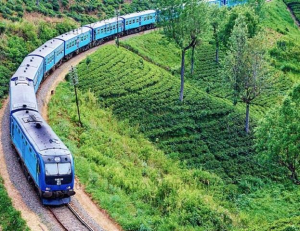
Ella is incredibly famous among global backpackers for its dramatic mountain gaps, hiking trails, and the iconic Nine Arch Bridge. But it is also a fantastic destination to experience medium-grown tea culture.
The surrounding Uva province experiences unique dry, sweeping winds during certain months of the year. These special weather conditions cause the tea leaves to secrete specific chemicals, giving the tea an unmistakable, pungent, exotic herbal flavour that global connoisseurs absolutely love.
3. Kandy. The Historic Cradle of the Tea Industry.
Located in the mid-country region, Kandy is not only our cultural capital but also the place where James Taylor first started his plantation. The teas grown around Kandy produce a beautiful copper-colored liquid with a medium body and a robust, comforting flavour. Visiting the Ceylon Tea Museum in Hantane, Kandy, is a must-do activity to see vintage machinery and old photographs from the colonial era.
The Art of Tea Plucking.
- Meeting the Real Heroes.
When you take a premium Sri Lanka tea plantation tour, the most beautiful sight you will see is the local tea pluckers walking gracefully among the bushes. Clad in vibrant sarees with large woven baskets slung over their foreheads, these hardworking individuals are the true backbone of our island’s tea industry.
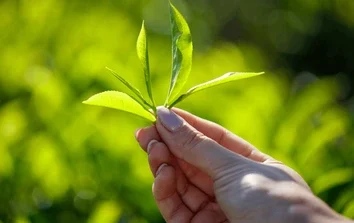
Tea plucking is a highly skilled art form that cannot be replaced by modern heavy machinery. To maintain the premium quality of Ceylon tea, the pluckers use a strict method known as “Fine Plucking.” They selectively hand-pick only the youngest “two leaves and a bud” from the tip of each branch.
A single plucker harvests around 15 to 20 kilograms of fresh leaves every single day. Their incredible hand-eye coordination ensures that tough, older leaves or bitter stems never make it into your morning teacup. Meeting them, sharing a friendly smile, and trying your hand at plucking leaves is a heartwarming cultural interaction.

Inside the Factory
- From Green Leaf to the Perfect Brew.
To help you understand how a freshly plucked green leaf transforms into the black tea granules in your kitchen, we have compiled an easy-to-understand breakdown of the traditional orthodox manufacturing process.
| Processing Stage | What Happens to the Tea Leaves? | Travel & Tasting Insight |
| Withering | Fresh leaves are spread on large troughs with hot air blown through them to remove 50% of the moisture. | The factory floors smell absolutely amazing during this dry stage. |
| Rolling | The soft, withered leaves are crushed inside large mechanical rollers to twist them and break the cell walls. | This releases natural essential oils and starts the chemical reaction. |
| Fermentation | The rolled leaf particles are laid out on cool tables to oxidise, changing colour from green to coppery brown. | Timing is critical here; it determines the strength and final character of the tea. |
| Firing (Drying) | The leaves pass through a massive hot oven to stop the oxidation and bake them dry. | This locks in the final dark brown/black colour and prevents spoiling. |
| Grading & Sorting | Special vibrating sieves separate the dried tea into various size grades (BOP, BOPF, Dust, etc.). | Smaller particles produce strong, dark brews; larger leaves give lighter flavours. |
How to Taste and Buy Authentic Ceylon Tea Safely.
As a tourist exploring the local markets, you will be overwhelmed by thousands of colourful boxes labelled as authentic tea. To ensure you invest your money into genuine, high-quality products, always keep these expert tips in mind.
1. Look for the Official Lion Logo.
Never buy bulk tea based purely on a pretty package. The Government of Sri Lanka strictly regulates the industry. Genuine, 100% pure Ceylon tea packed within the country must display the official Ceylon Tea Lion Logo on the box. This logo depicts a lion holding a small sword, accompanied by text. If this logo is missing, the product might be a cheap blend mixed with low-grade imported leaves from other countries.
2. Understand the Different Grades.
Many travellers mistakenly believe that “Tea Dust” means bad quality. That is completely wrong! Tea grading is based solely on the physical size of the dried leaf particle, not the flavour quality.
If you love a strong, dark brew that tastes great with milk and sugar, buy smaller grades like BOPF (Broken Orange Pekoe Fanning) or Dust 1.
If you prefer a light, smooth, clear tea to drink black, buy whole-leaf grades like OP (Orange Pekoe) or Pekoe.
3. Avoid Buying Cheap Tea from Unlicensed Street Stalls.
While exploring popular tourist hubs, you might find street vendors selling cheap loose tea in plain plastic bags. Avoid these deals. These products are often stale, floor sweepings from factories, or lack proper hygienic packaging. Always make your purchases directly from factory showrooms or certified wholesale tea boutiques.
Embark on a Scenic Tea Trails Adventure With Us
Navigating the winding roads of the hill country, booking historic factory entry slots, and communicating with local estates can be difficult for international travellers. Let our dedicated travel business manage your entire highland journey seamlessly.
- Credited to the Photographers.
Written By MMS